I chose this topic as my first more specific post because it is the topic I feel most passionate about. Having spoken to many fellow Muslim mothers about this I have gotten the impression that many of them feel inadequate when it comes to teaching their children about the Quran. They want to hand it all over to a “proper” teacher… but this is a HUGE mistake! Let me explain…
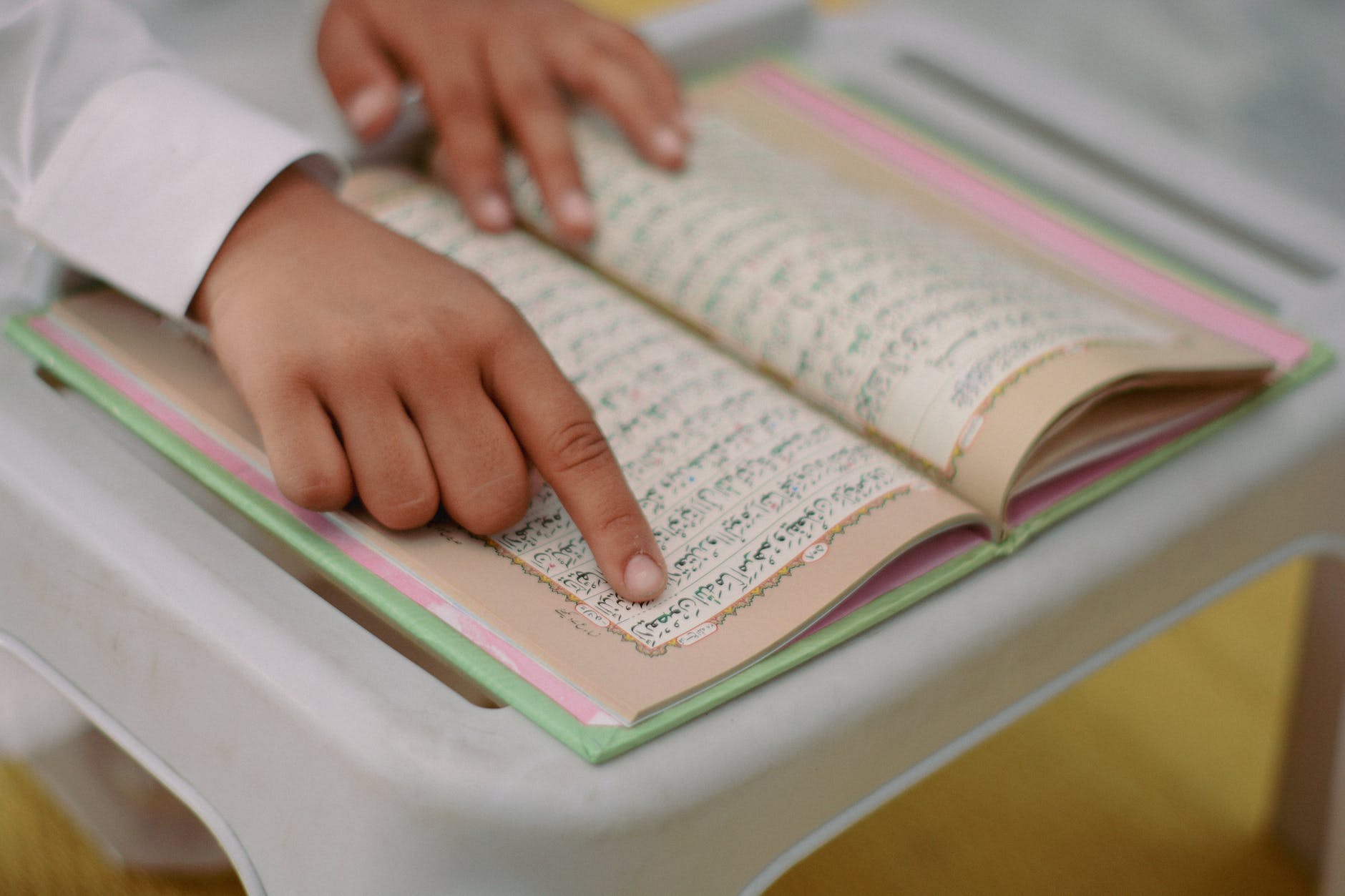
First of all, connecting your child to the Quran should start in the womb! During your pregnancy, surround yourself with the sound of the Quran being recited, and recite it out loud yourself. The mind of an infant is something so powerful سبحان الله , it starts absorbing sound very early on and this early exposure is incredibly effective!
Once baby is born, do your best to maintain the habit of daily recitation. There is no better way to get your child to memorise the Quran than to do it yourself! Additionally, reciting the Quran daily, working to improve your pronunciation and pondering on the meaning behind it will prepare you to become a better teacher for your little one.
When you notice your child being able to recite small sections of the Quran, gently encourage them on their journey. Many children will memorise surahs that are recited frequently, like Suratul Fatiha, around the age of 3. Some slightly earlier and others slightly later. Either way, when you start hearing them recite, challenge them and play with them to encourage further memorisation.
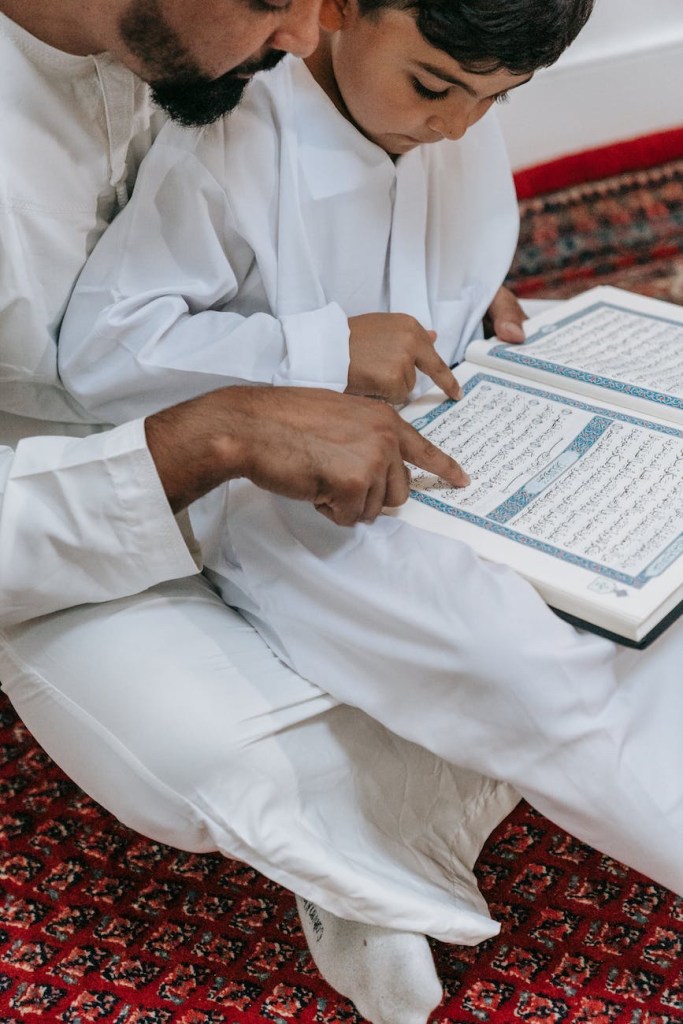
As the child approaches the age of four, they will likely show signs of interest in the written language. This is a good time to introduce reading from the mushaf. I have personally used the Read and Rise programme by Learning Roots to encourage my young children, and have found it extremely effective. Once the child completes the Read and Rise book, the same company also offers a Juz Amma book that my children all enjoy a lot. This is also the stage at which I felt I needed a more structured approach to maintaining a strong revision system.
Finally, as we gained traction on our memorisation journey, my little one started to ask me questions about the meaning of what they were memorising. Now it is one thing knowing what it means but it is yet another to explain it to a young child! This is where the Mini Tafseer Series by Ad Duha Institute comes in. Not only did it allow me to explain the Quran to my child, I learned so much along the way, it created so many amazing discussions AND it was a great aid to memorisation!
I will leave you with two final notes:
- Both Android and Apple devices allow you to access Quran apps that are great to support you in teaching your child to recite correctly. I personally recommend Sheikh Al Husary as a reciter for memorisation.
- Choose teachers carefully! Not all Quran teachers are created equal. Make sure that any teacher you choose to involve is someone that will nurture love of the Quran rather than making the Quran into a source of stress for your children.
I ask الله to make this post a source of benefit for anyone that comes across it, and I ask that it facilitates your journey of growing closer to your Creator through the understanding of His message to you ♥️

 Straight Path Home Education